Instrumental: The Font That Elevates Your Brand
The Power of a Strong Typeface in Branding
As a small business owner, you know that every visual element you choose plays a role in how your brand is perceived. From your logo to your social media posts, the fonts you use can make a big difference in how professional, trustworthy, and memorable your brand appears. Instrumental is a script font that brings both style and substance to your branding efforts. It’s not just about looking good—it’s about making a lasting impression.
What Is Instrumental?
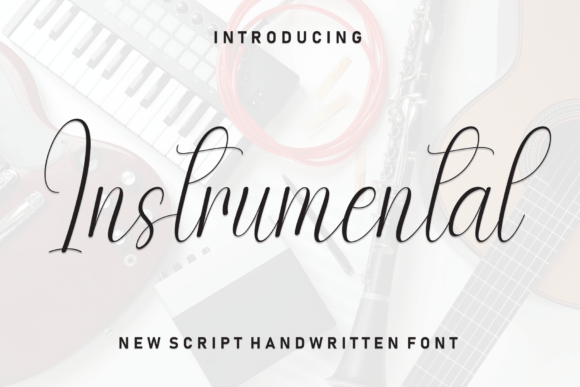
Instrumental is a stylish script font designed for those who want to blend artistic flair with contemporary elegance. With its fluid brush strokes and dynamic curves, it captures the essence of handwritten design while maintaining a modern and clean aesthetic. This font is perfect for businesses that want to convey creativity, sophistication, and a touch of personality without sacrificing readability.
Whether you're designing a logo, creating social media graphics, or crafting product labels, Instrumental offers a versatile typeface that adapts well to various applications. Its expressive letterforms add a sense of movement and energy, making it ideal for brands that want to stand out in a crowded market.
How Instrumental Enhances Brand Consistency
Consistency is key when building a strong brand identity. Using the same font across all your materials helps customers recognize your brand instantly. Instrumental can be used as your primary typeface for everything from your website headers to your packaging design. This consistency reinforces your brand's image and builds trust with your audience.
For example, a boutique owner might use Instrumental on their store logo, product tags, and even their Instagram bios. This cohesive approach ensures that every touchpoint feels intentional and aligned with the brand’s personality. Whether you're launching a new product line or updating your website, Instrumental helps maintain a unified look that speaks to your target audience.
Real-World Applications of Instrumental
Instrumental is incredibly versatile and can be applied to a wide range of business materials. Here are some practical examples:
- Logo Design: Use Instrumental as the main text in your logo to create a unique and memorable brand identity.
- Product Labels: Add a touch of elegance to your handmade candles or skincare products with this stylish script font.
- Menu Design: A café can use Instrumental for their menu headers to create an inviting and visually appealing look.
- Social Media Graphics: Make your Instagram posts and Pinterest pins stand out with Instrumental as your headline font.
- Website Banners: Use Instrumental for your website banners or call-to-action buttons to draw attention and encourage engagement.
By incorporating Instrumental into these areas, you create a more polished and professional appearance that resonates with your customers.
When to Use Instrumental: Headlines vs. Body Text
While Instrumental is a beautiful script font, it's important to consider where and how you use it. As a display font, it works best for headlines, logos, and other prominent text elements. For body text, especially in smaller sizes or on mobile screens, it may be less readable. Pairing Instrumental with a clean sans serif font can help balance the design and ensure clarity across all platforms.
For instance, a beauty brand might use Instrumental for their product titles and promotional banners while using a simpler sans serif font for descriptions and pricing. This combination maintains visual interest while keeping the content easy to read.
Testing Before Full Implementation
Before committing to a font like Instrumental for your entire brand, it's wise to test it in different contexts. Try using it on sample materials such as mockups, social media posts, and printed flyers. This allows you to see how it performs in real-world scenarios and makes sure it aligns with your brand's voice and goals.
Also, consider how the font looks on various devices and screen sizes. A font that looks great on a desktop might not translate well to a mobile layout. Testing helps you avoid potential issues and ensures your brand looks its best everywhere it appears.
Font Pairing Tips for Better Design
Pairing Instrumental with complementary fonts can enhance your design and create a more balanced look. Here are a few simple pairings to consider:
- Instrumental + Sans Serif: Combine the elegance of Instrumental with the clarity of a sans serif font for a modern and professional feel.
- Instrumental + Serif: Pair it with a classic serif font to add warmth and sophistication to your design.
- Instrumental + Decorative: Use it alongside another decorative font for a playful and creative vibe.
These combinations allow you to create visually engaging designs without overwhelming your audience with too much style.
Commercial Font Licensing: What You Need to Know
Before using any font commercially, including Instrumental, it's essential to check the licensing terms. Some fonts are available for personal use only, while others require a commercial license for use in print, digital downloads, or client work. Always review the font's license agreement to ensure you're using it legally and appropriately.
Choosing a font with the right licensing allows you to confidently use it across all your branding materials, knowing you’re compliant with the terms of use.